AmericanCowman.com: Timely, practical production and management strategies that will add efficiency, value, and profitability to cattle herds with up to 100 head.


    Home  

    Market Research  

    For Advertisers  

    Rent Our Lists  

    About Us/Contact Us  

2005 Corn Weed Control Guide

Weeds (select up to 3)


Application Time

Sponsored by
Syngenta Crop Protection


2005 Soybean Weed Control Guide

Weeds (select up to 4)


Application Time

Sponsored by
UPI


         Subscribe in NewsGator Online   Subscribe in Bloglines

Insecticide solutions

Feb 1, 2005 12:00 PM
by Natalie Knudsen


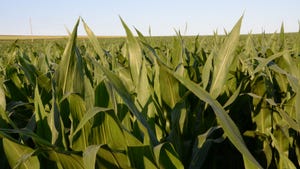
If you're confused about options for controlling corn insects, you're not alone. Today's choices include soil-applied granular and liquid insecticides, seed treatments, and traits, not to mention the fact some options may control secondary pests whereas others may control only corn borers or corn rootworms.

“The marketplace is headed little by little toward adoption of seed treatments and traits, principally due to the convenience they offer,” says Hank King, marketing specialist for Lorsban insecticides at Dow AgroSciences. “However, proven granular products like Lorsban 15G will continue to be the preferred solution for many growers who depend on them for both consistent corn rootworm and secondary insect control.”

New seed treatments

The new seed-applied insecticides provide both contact and systemic activity in corn plants and do not rely exclusively on contact and plant-surface coverage. These seed treatments arrive at the farm on the seed and in the bag, eliminating time previously spent loading and calibrating granular and liquid soil-applied insecticide equipment.

In areas without significant corn rootworm pressure, Poncho 250 marketed by Gustafson is designed to control secondary soil pests, including black cutworm, wireworm, white grub, seed corn maggot, flea beetle and chinch bug, from planting up to the V4 growth stage.

Greg Perrigo, marketing product manager for Bayer CropScience, says, “In corn-growing areas with light to moderate infestations of corn rootworm itself, we recommend Poncho 1250 for control of corn rootworm and billbug in addition to early-season pests. However, growers in areas with significant corn rootworm pressure should use Aztec, a proven soil-applied insecticide.”

Protecting the corn seed in storage and during early seedling development are the prime advantages of the new Cruiser line of seed treatments, according to Mark Jirak, seed treatment crop manager for Syngenta Crop Protection.

Cruiser is labeled for protection against wireworm, seed corn maggot, white grub, corn flea beetle, Southern corn billbug, Southern corn leaf beetle, black cutworm and chinch bug in addition to stored grain insects.

“This year's Cruiser Extreme Pak offers an insecticide/fungicide combination containing Cruiser seed treatment insecticide along with fungicides Dynasty, Maxim XL and Apron XL,” Jirak says. “This combination protects the seed and seedling from disease and insect threats, helping improve stand vigor and maximize yield.” Cruiser Extreme Pak BB/CRW adds protection against billbug and corn rootworm.

Predictions vary on the percentage of acres protected by soil-applied insecticides, seed treatments and seed traits for 2005. Jirak, however, estimates that use of seed-applied insecticides on corn acres will double to 50% of all corn acres planted, compared to a total of 25% in 2004.

Corn rootworm traits

According to Dave Rhylander, director of traits for Monsanto Company, the YieldGard Rootworm corn is expected to be widely available in 2005, in both single-trait and stacked-trait combinations. “YieldGard Rootworm trait has been broadly licensed to more than 200 seed companies for the 2005 season,” Rhylander says.

YieldGard Rootworm protection will also be available in the industry's first triple-stacked product, YieldGard Plus with Roundup Ready Corn 2.

“We've combined corn rootworm and corn borer protection along with the Roundup Ready Corn 2 technology into a hybrid package many growers will find useful,” Rhylander says.

Soil insecticides

Although they may not be the new kids on the block getting all the attention, in-furrow insecticides have provided reliable control for years. Aztec has five to six years of consistent corn rootworm control to its credit and is the industry standard for soil insecticides, according to Perrigo. “It is the product that the major Corn Belt universities use to compare all other corn rootworm treatments to,” he adds.

Kendall Turner, brand manager for Syngenta Crop Protection, says, “Force insecticide has years of data to validate its consistent performance when it comes to corn rootworm control. It offers a full spectrum of control for secondary pests, as well.”

King, however, says the end result — profitability — is more important than root ratings. He points to a 10-year study by Purdue University that showed Lorsban 15G was the most profitable soil insecticide, even though its root ratings were middle of the pack.

“With the increasing trial use of seed treatments and traits, granular insecticides have become more price competitive in 2005, making them an even greater value for the grower,” King says. “However, there are pluses and minuses to all the options for corn soil insect control.”

Trait performance

Speculation on the performance of Monsanto's YieldGard Rootworm was widespread throughout the 2004 growing season.

“YieldGard was planted on nearly two million acres in the 2004 season,” Rhylander says. “Farmers throughout the Corn Belt underscored their satisfaction with YieldGard Rootworm and the in-seed benefits of the technology. In total, we received approximately 20 performance questions out of more than 20,000 farmers who used the technology.” Monsanto boasts a satisfaction rate for the corn rootworm trait at nine out of 10 farmers when it's compared with soil insecticides or seed treatments.

University of Illinois field trials showed some rootworm control problems in areas with heavy corn rootworm pressure. Two trials indicated excellent performance, whereas the third trial at Urbana showed the trait corn performing at the same level as soil insecticides, Rhylander says. Additional reports of down corn in northern Illinois have been traced to a wind and hail storm in mid-July.

Both King and Jirak agree that there may be some skepticism among growers about the currently available corn rootworm trait.

YieldGard Rootworm technology expresses itself as a protein through the corn plant's root structures. The corn rootworm must feed on the roots to be controlled. In-field weed control is critical for the success of YieldGard Rootworm.

“Growers need to control weed escapes because they become an alternative host for the corn rootworm,” Rhylander says. “A rootworm that grows by feeding on foxtail roots before moving over to corn roots can potentially grow large enough to cause some corn root damage.” Timely applications of Roundup WeatherMax applied in Roundup Ready Corn 2 effectively control alternative hosts and ensure optimum performance of YieldGard Rootworm hybrids, Rhylander says.

Future traits

Additional insect protection will be added to Dow AgroSciences' and Pioneer's line of Herculex insect protection traits.

Herculex RW will feature built-in protection against corn rootworm, and Herculex Xtra will combine the insect protection of Herculex I (corn borer, black cutworm, western bean cutworm, fall armyworm) with the corn rootworm protection of Herculex RW.

“We anticipate the approval of the Herculex corn rootworm trait in 2005 and Herculex Xtra in early 2006,” says Jerry Harrington, sales and marketing public relations manager for Pioneer Hi-Bred International. “Through our TruChoice program, we continue to support financing of seed and crop protection products, including traditional corn rootworm insecticides such as Aztec 2.1G from Bayer.”

Looking to the future, Syngenta plans to offer corn rootworm and broad lepidopteron pest control traits, says John Sorenson, head of corn and soybeans for Syngenta Seeds. These traits will complement the line of Agrisure Advantage traits that include herbicide tolerance and insect protection.


SEFP ATE


Back to Top


Key:    Paid Content      Enhanced for the Web

Contact Us  For Advertisers  For Search Partners  Privacy Policy  Subscribe
© 2007 Penton Media, Inc. All rights reserved.